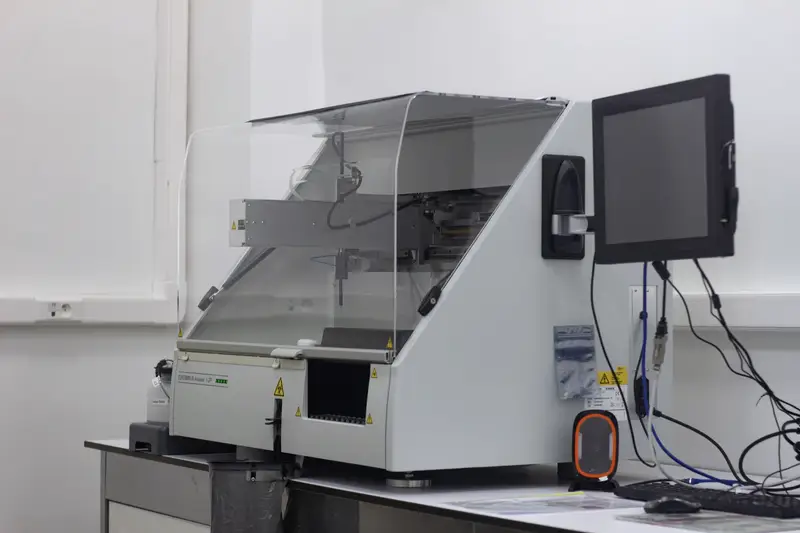
Freeze-drying
services

Lyophilisation cycle development and contract freeze-drying, to support the stability of sensitive materials during storage and transit.

Drying stages
3
Cycle record
Per batch
After drying
Tested

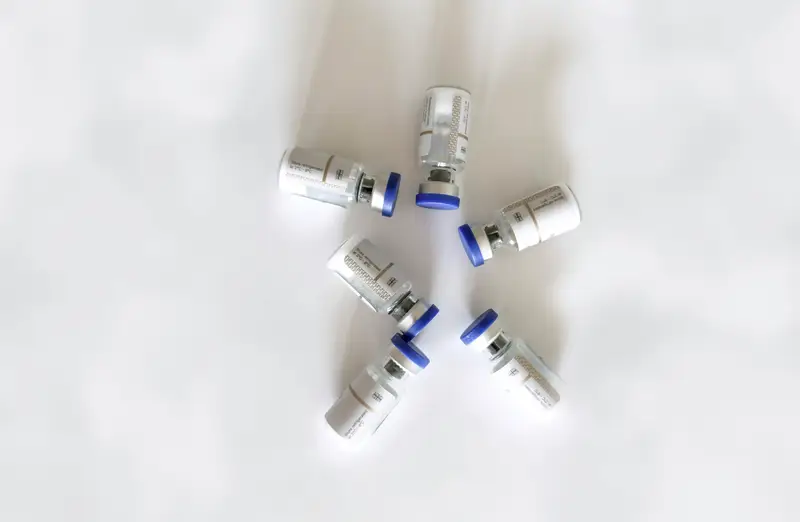
Water is often what limits how long a sensitive material lasts. Freeze-drying removes it without heating the product, leaving a stable solid in the vial.

The science

How lyophilisation works

Freeze-drying removes water from a frozen product under vacuum. Instead of melting, ice passes directly to vapour, a process called sublimation. Because the product stays frozen while most of the water leaves, heat-sensitive materials are spared the temperatures that conventional drying would involve.

  • Freezing: the product is frozen solid
  • Primary drying: ice sublimes to vapour
  • Secondary drying: residual bound water is removed
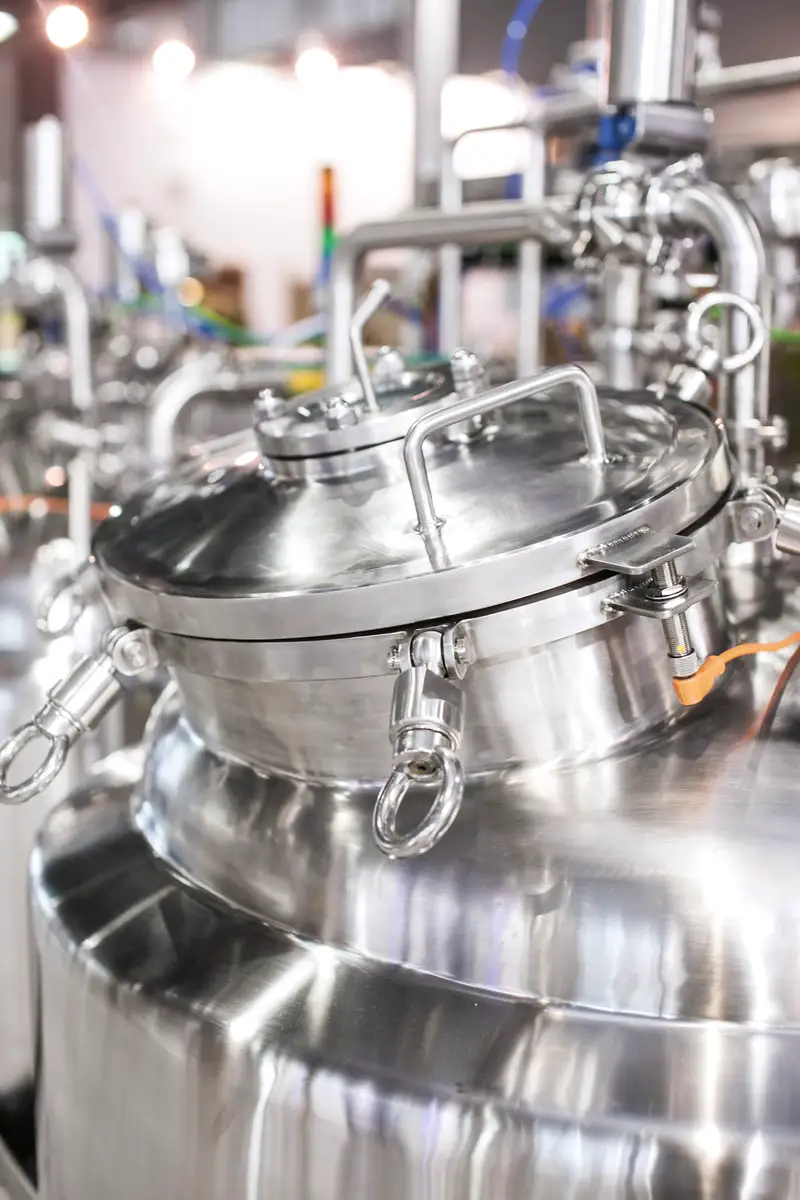
Cycle development

No two materials dry the same way

Cycle parameters depend on the material and the fill format. Dry too quickly and the structure of the product can collapse. Dry too slowly and the cycle costs more time than it needs to.

Cycles are developed for the product and recorded with each batch, so a successful cycle can be repeated.

Checks

What is checked afterwards

Filled vials are stoppered and checked after lyophilisation. Cake appearance gives an immediate indication of how the cycle performed, and moisture checks confirm how much water remains.

Post-lyophilisation results are recorded alongside the cycle and batch records.

Scope, equipment and accreditations for this service are to be confirmed before publication.

The process

How freeze-drying runs

Tap through the stages, from assessing the material to checking the finished batch.

Assessment

Material properties and fill format are reviewed.

Illustrative lyophilisation cycle. Parameters depend on the material and fill format.

Scope

What the work covers

  • Lyophilisation cycle development
  • Contract freeze-drying
  • Vial filling and stoppering
  • Cake appearance and moisture checks

Outputs

What you receive

  • Cycle record
  • Batch record
  • Post-lyophilisation test results

Facilities and infrastructure

Our locations

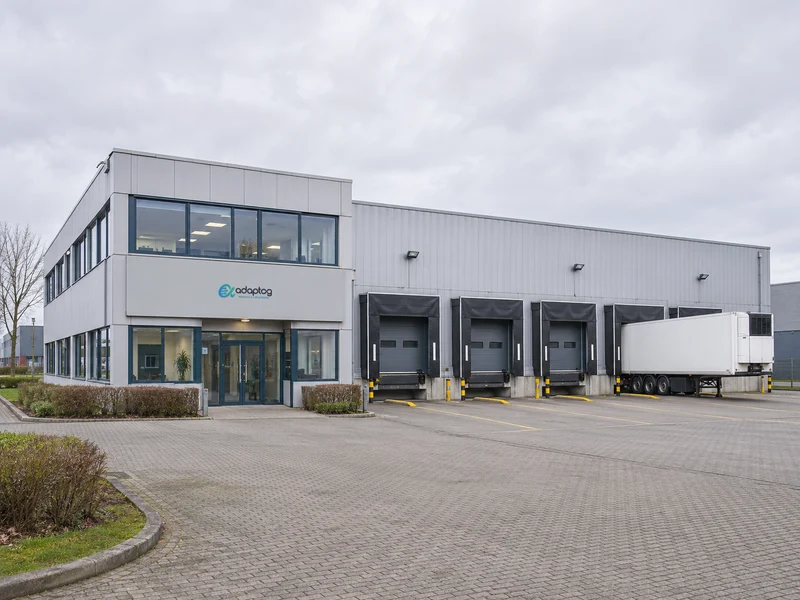
One company, five locations across the UK, the Netherlands and India. Every service is backed by the same lot records, wherever the work happens.

About our facilities

Good to know

Before you commission this work

Why peptides are freeze-dried

Removing water helps to protect sensitive materials during storage and transit.

What we need to know

The material and its properties, fill volume, vial format and batch size.

Linked formulation

The formulation affects how a product dries, so the two are often developed together.

Questions

About this service

Why are peptides freeze-dried?

Removing water helps to protect sensitive materials during storage and transit.

Is the cycle the same for every material?

No. Cycle parameters depend on the material and fill format.

Start a project

Request a quote

Send your requirements and we will confirm the scope, documentation and lead time. It helps to include:

  1. 1The material and its properties
  2. 2Fill volume and vial format
  3. 3Batch size
  4. 4Any existing cycle data
Your email app will open with the details pre-filled.

We use your details to respond to this enquiry. Read our privacy policy.

The Adaptog catalogue

Find your material.

Explore the range, or start typing.

5-Amino-1MQReference compoundsAcetyl EpitalonReference compoundsAcetyl Selank / SemaxReference compoundsAdamaxReference compoundsAICARReference compoundsAOD-9604Reference compounds
Browse the complete catalogue ↗