Laboratory and
product research

Laboratory research programmes for organisations that require a defined method, documented procedures and traceable data.

Research question
Defined
Study plan
Agreed
Final report
Written

Good research starts before anyone opens a vial. It starts with a clear question, an agreed method and a decision about what the results need to show.

Scoping

A study that answers the question you actually have

Each programme opens with the research question. From there we work through the materials, the methods and controls that fit, and what the report needs to contain so it is useful to your team.

Writing this down first means everyone can see what the study is designed to show, and what it is not.

  • Research question and objectives
  • Materials, methods and controls
  • Reporting requirements and format

Characterisation

Understanding how a material behaves

Many projects begin by establishing how a compound behaves under defined conditions. Stability and characterisation studies look at how a material holds up over time, across storage conditions or between different sources.

Comparative work places two or more materials side by side under the same method, so that differences can be attributed to the material and not the procedure.

Reporting

Results you can stand behind

Findings are issued as a written report, supported by the raw data and analysis behind them. A reader who was not involved in the study should be able to follow what was done and why.

Research can be commissioned on its own, or feed directly into formulation, analytical testing or product development.

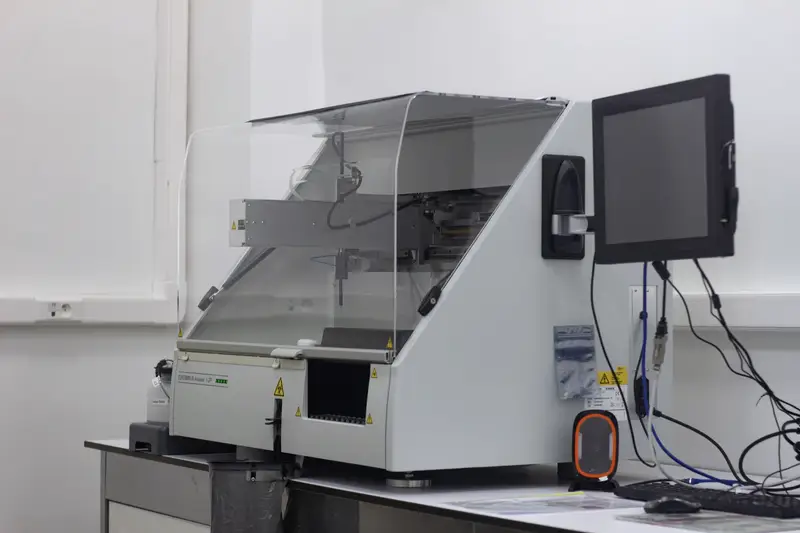
Scope, equipment and accreditations for this service are to be confirmed before publication.

The process

How laboratory and product research runs

Four stages take a study from an initial question to a written report.

Scoping

The research question, materials and reporting requirements are agreed.

Illustrative sample path. A reference follows the sample through to the report.

Scope

What the work covers

  • Study scoping and method planning
  • Literature and compound review
  • Stability and characterisation studies
  • Comparative material studies

Outputs

What you receive

  • Agreed study plan
  • Raw data and analysis
  • Written study report

Facilities and infrastructure

Our locations

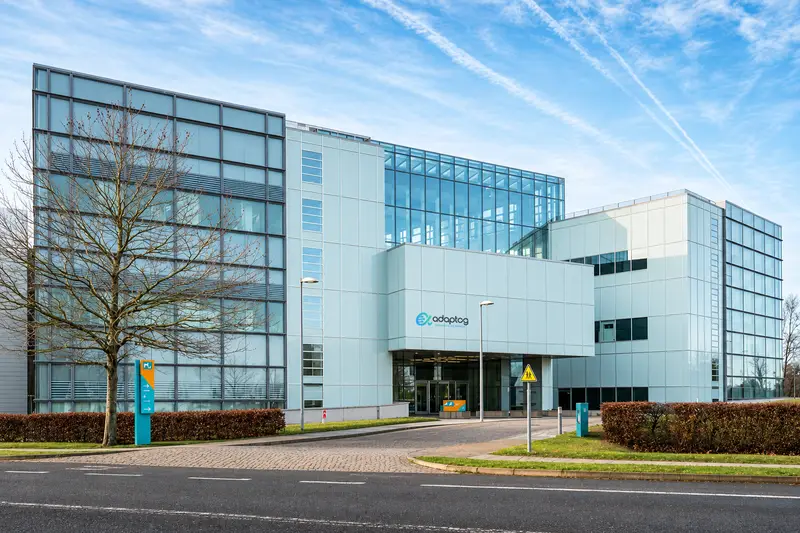
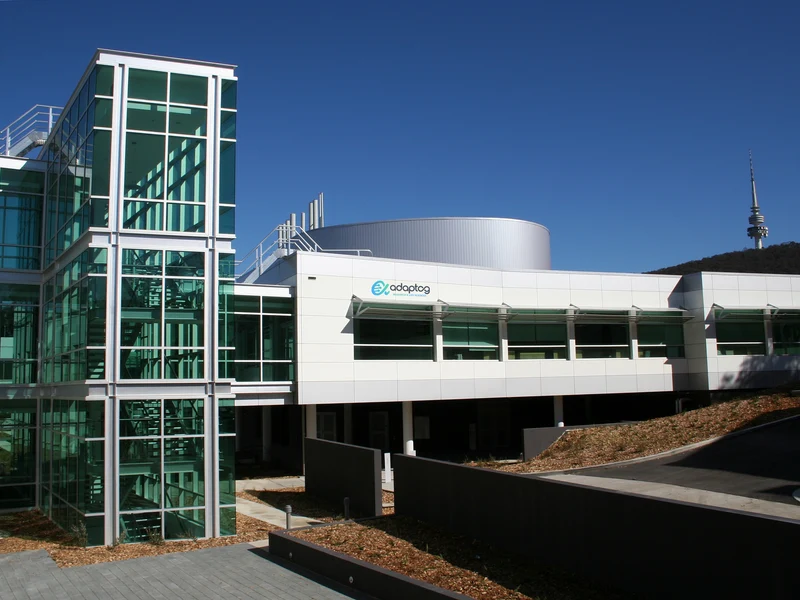
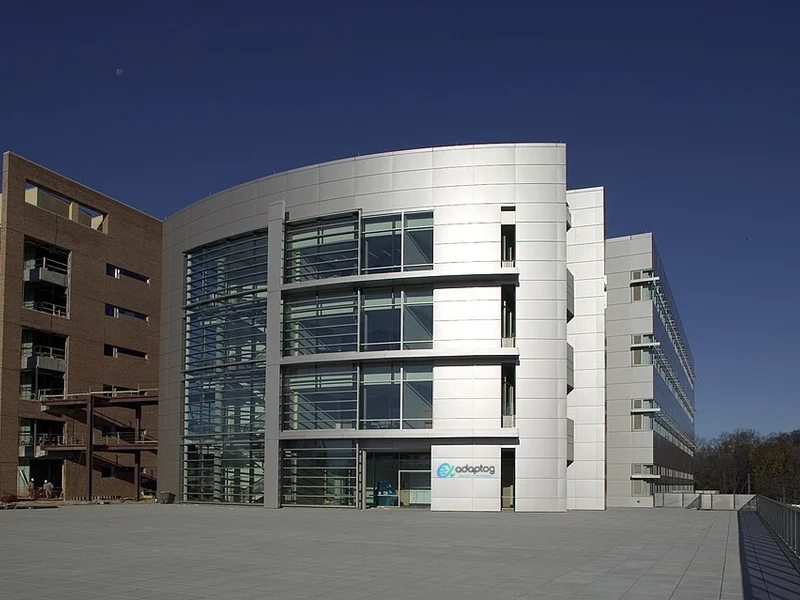
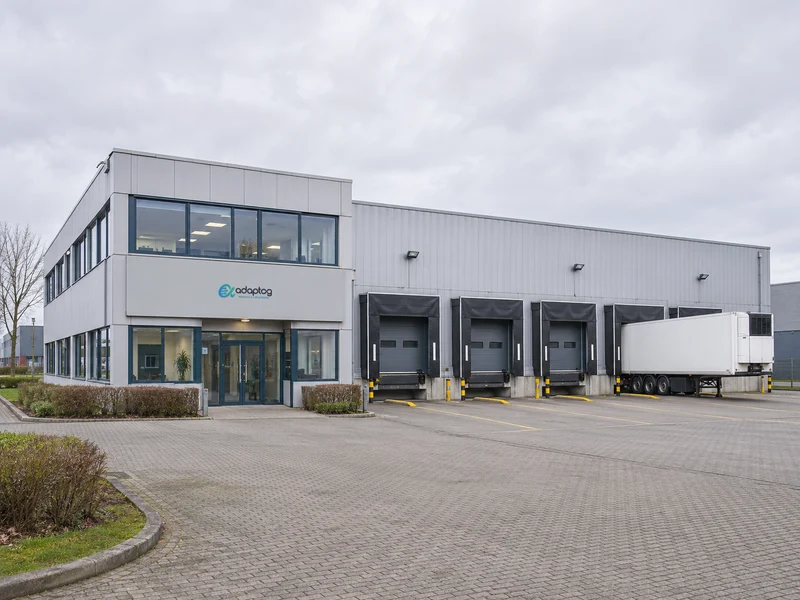
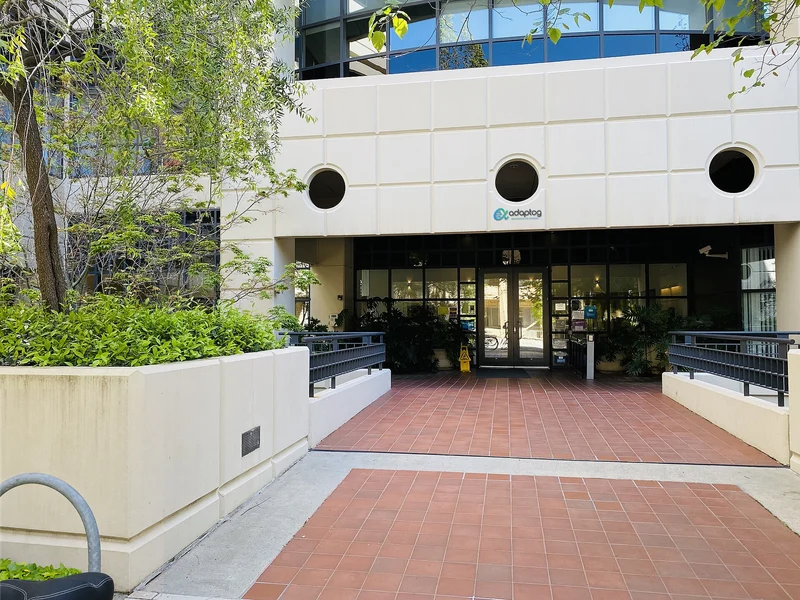
One company, five locations across the UK, the Netherlands and India. Every service is backed by the same lot records, wherever the work happens.

About our facilities

Good to know

Before you commission this work

What makes a good brief

The material, what you want to find out, any existing data and how the results will be used.

Existing data

Earlier results help avoid repeating work, and show where a new study adds most value.

Combining services

Research often leads into formulation or analytical testing, and can share one set of records.

Questions

About this service

Can a study be commissioned on its own?

Yes. Research can be commissioned as a standalone study, or combined with other services.

What information is needed to scope a study?

The material or compound, the research question, any existing data and the reporting format required.

Start a project

Request a quote

Send your requirements and we will confirm the scope, documentation and lead time. It helps to include:

  1. 1The material or compound
  2. 2The research question
  3. 3Any existing data
  4. 4The reporting format you need
Your email app will open with the details pre-filled.

We use your details to respond to this enquiry. Read our privacy policy.

The Adaptog catalogue

Find your material.

Explore the range, or start typing.

5-Amino-1MQReference compoundsAcetyl EpitalonReference compoundsAcetyl Selank / SemaxReference compoundsAdamaxReference compoundsAICARReference compoundsAOD-9604Reference compounds
Browse the complete catalogue ↗