How a single lot code connects an Adaptog unit to its manufacturing record, test results and dispatch documents.
Traceability means being able to follow a material back through every step that produced it. At Adaptog, it starts with something simple: a lot or batch code printed on every unit. This article explains how that one code connects the unit in your hand to the records behind it.
One lot, one record
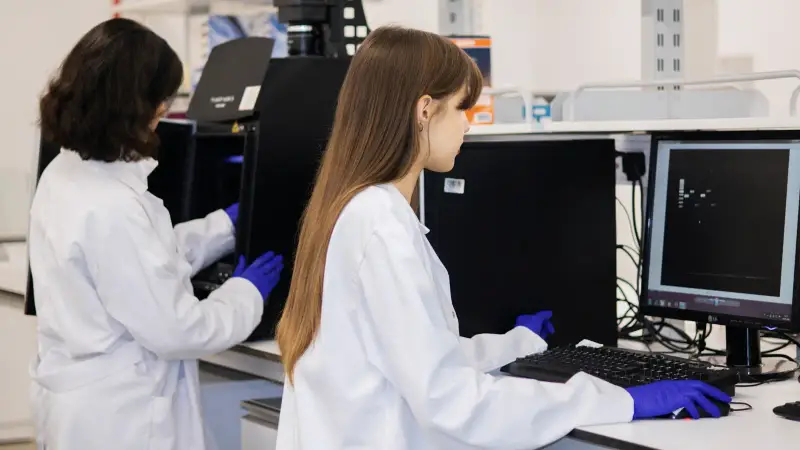
When an Adaptog batch is made, it is given a lot identifier. From that point, every stage is recorded against the same lot: incoming materials, formulation, manufacture, filling and labelling, testing and release, storage and dispatch. The record does not restart when the batch moves between our locations.
The Adaptog traceability chain
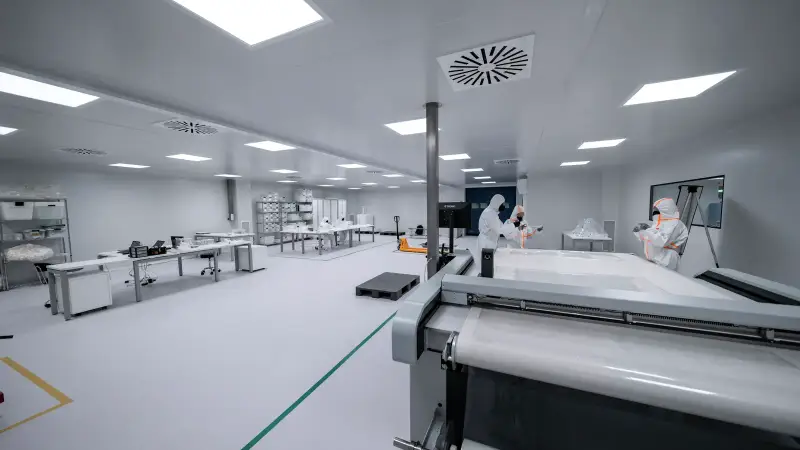
- Manufacture. Batches are manufactured to documented procedures, with records maintained from incoming materials through to finished goods. See manufacturing and warehousing.
- Testing and release. The lot is tested before it enters stock, and the release is recorded so what is on the shelf can be connected to the data behind it.
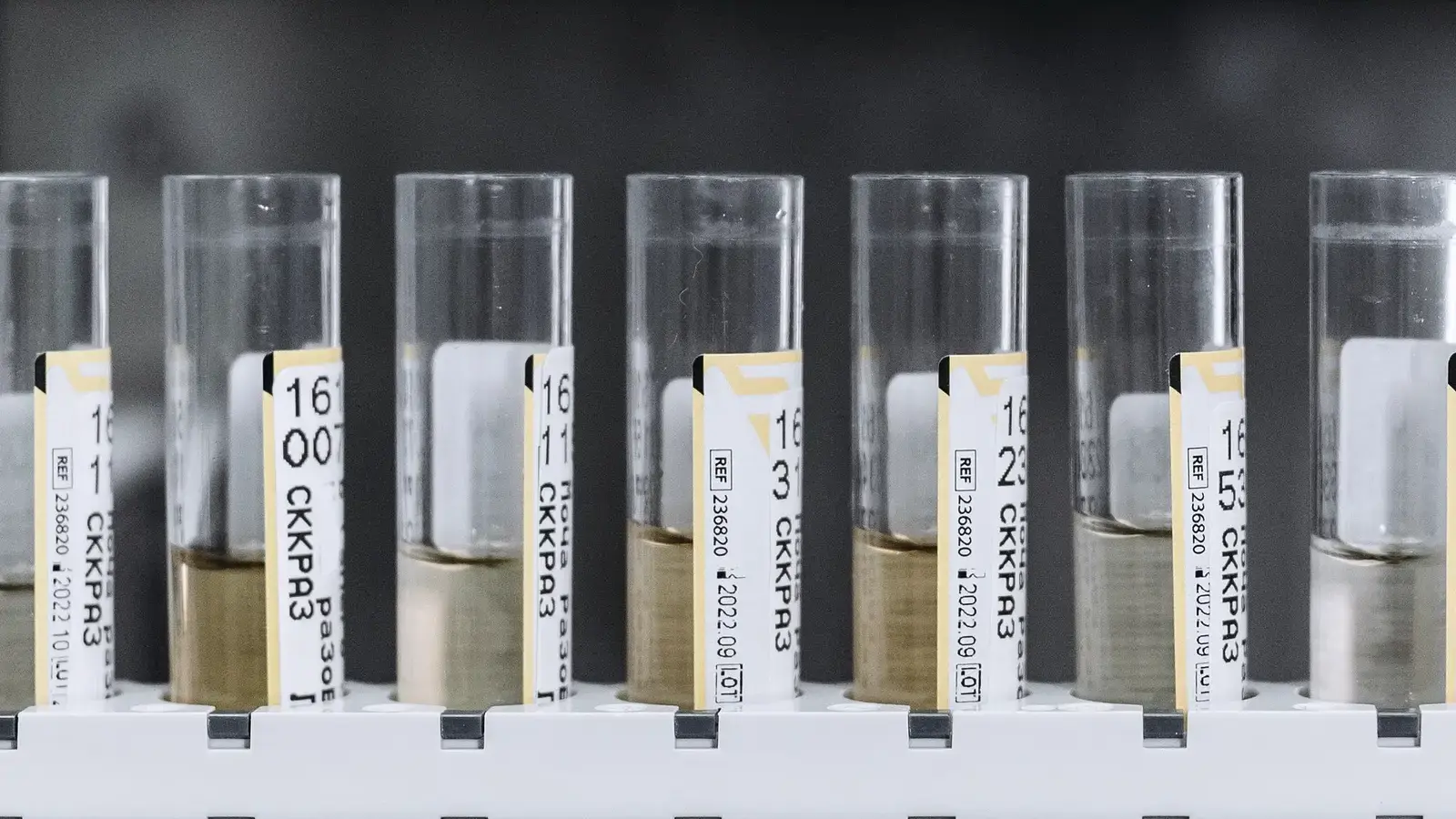
- Labelling. Lot and batch identifiers are printed on each unit.
- Storage. Finished stock is stored by lot, including in cold-chain storage where the material requires it.
- Dispatch. Each shipment travels with its lot documents and dispatch paperwork.
Checking traceability yourself
You do not need to take traceability on trust. With the batch code on your unit, you can:
- Look up the report in the Adaptog COA library and confirm the batch code matches.
- Scan the NFC tag, where the unit carries one, to confirm it is still linked to its original batch record. See Adaptog NFC verification.
- Contact the Adaptog team with the lot ID if anything does not match, and we will send the correct document.
Why traceability matters for research
Research depends on knowing exactly what was used. If a result needs to be repeated or questioned, the batch code lets you return to the documents for the exact material used, not just the product name. That is why laboratories that keep good records value suppliers that keep them too.
Lot, batch and serial: what the codes mean
The terms are often used loosely, so it helps to be precise:
- Batch. A quantity of material made in one production run, under the same conditions, intended to be uniform.
- Lot. A defined quantity of material that is identified, tested and released together. In practice, a lot is often the same as a batch, and the two words are used interchangeably on labels.
- Serial number. An identifier for one individual unit. Serialisation goes one step further than lot coding, and is what makes unit-level checks such as NFC verification possible.
Whatever the label calls it, the purpose is the same: the code on the unit is the key to its records.
Forward and backward traceability
Good traceability works in both directions. Backward traceability starts from a unit and follows its history: which batch it came from, which materials went into that batch, how it was tested and when it was released. Forward traceability starts from a batch and follows where it went: which stock locations held it and which shipments it was part of. Backward traceability answers "what is this?". Forward traceability answers "where did it go?". A well-kept lot record supports both.
Keeping your own records
Traceability is strongest when both the supplier and the laboratory keep records. A few simple habits make a big difference:
- Record the lot or batch code of every material when it arrives, alongside the date received.
- Save or link the matching Certificate of Analysis to that record.
- Note the storage location and conditions, especially for temperature-sensitive materials.
- Reference the lot code in your experiment records, so results can be traced back to the exact material used.
When a question comes up about a batch
Traceability proves its worth when something needs checking. Suppose a laboratory sees an unexpected result and wants to rule out the material. With a lot code, the question can be answered quickly: the batch record shows how the lot was made, the Certificate of Analysis shows how it tested, and the stock and dispatch records show how it was stored and shipped. Without a lot code, the same question could take days and might never be fully answered.
If you ever need to raise a question about an Adaptog batch, contact support with the lot ID printed on the unit. It is the fastest route to the right records.
Traceability across Adaptog locations
A batch can move between Adaptog locations without its records starting again: formulated and filled in Bridgend, tested and freeze-dried in Wickford, then stored and dispatched from Thetford or Amsterdam. Each stage is recorded against the same lot. Our article on Adaptog locations shows how the sites fit together.