
Some materials have to stay cold from the shelf to the bench. Here is how Adaptog cold-chain storage and shipping work.
Some research materials have a defined storage or transit temperature range. If they leave that range, they may no longer match their specification. Adaptog cold-chain shipping and storage are designed to keep those materials within range, with the lot record travelling alongside.
What is cold-chain?
A cold-chain is an unbroken sequence of temperature-controlled storage and transport. The aim is simple: from the moment a material is stored to the moment it is delivered, it stays within the range set by its specification.
Which materials need cold-chain handling?
Any material whose specification sets a storage or transit temperature range. That can include some peptides, biologics and reconstituted solutions. The label and Safety Data Sheet state the storage conditions for each material.
Adaptog cold-chain storage
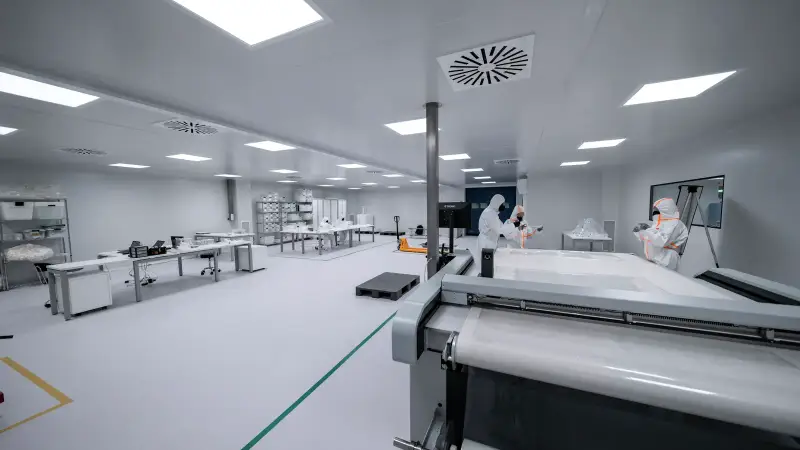
Temperature-sensitive materials are held in cold-chain storage at our Thetford and Amsterdam locations, separate from ambient stock, and recorded by lot in the same stock management as the rest of Adaptog warehousing. Storage requirements are agreed for each material before it arrives, so it is put away correctly from the start.
Adaptog cold-chain shipping
When an order ships, it is packed for the temperature range it needs, using insulated packaging suited to the destination and transit time. Lot and batch identifiers stay on each unit, so what arrives can be matched to its documents. Cold-chain shipments can be sent across the UK, the EU and the rest of the world.
Planning a cold-chain order
A little information up front makes cold-chain shipping much more reliable. When you ask Adaptog about cold-chain storage or shipping, it helps to have ready:
- The material and its specification, including the storage and transit temperature range.
- Quantities and how often you need them.
- The delivery address and country.
- Who will receive the shipment, and when they are available.
How an Adaptog cold-chain order runs
- Requirements. The storage and transit temperature range is agreed for the material.
- Storage. Stock is held in cold-chain storage and recorded by lot.
- Packing. Orders are packed for the agreed temperature range.
- Shipping. The shipment is dispatched with its lot and dispatch documents.
Common storage temperature ranges
Storage requirements are set by each material's specification, and the label and Safety Data Sheet always take priority. As general background, laboratories tend to talk about a few common bands:
- Controlled room temperature. Ambient storage within a defined range, away from heat and direct light.
- Refrigerated. Commonly 2 to 8°C, the range of a standard laboratory fridge.
- Frozen. Commonly around −20°C, the range of a standard laboratory freezer.
- Ultra-low. Commonly −80°C or below, used for some biological samples.
Lyophilised (freeze-dried) materials are often more tolerant of temperature than the same material in solution, which is one reason freeze-drying is so widely used. Once reconstituted, many materials need colder storage.
What is a temperature excursion?
A temperature excursion is any time a material spends outside its specified range. Excursions can happen during storage, for example if a fridge door is left open, or during transit, for example if a parcel is delayed. Not every excursion damages a material, but every excursion should be noticed and assessed. Cold-chain handling is designed to prevent excursions, and good records make it possible to spot one if it happens.
How insulated shipping keeps materials cold
Cold-chain parcels generally combine two things: insulation that slows heat getting in, and a coolant that absorbs heat while the parcel travels. Common coolants include gel packs conditioned to a set temperature for refrigerated shipments, and dry ice for frozen shipments. The right combination depends on the material's range, the destination and the expected transit time, which is why requirements are agreed before an order ships.
Cold-chain and international orders
For orders outside the UK and the EU, cold-chain shipping works alongside Adaptog international logistics, which prepares the export and customs paperwork for the destination. Our guide to Adaptog delivery covers transit times and customs.
On arrival: a receiving checklist
When a cold-chain shipment arrives, follow the label and the SDS for storage and handling, avoid unnecessary temperature cycling, and follow your own facility procedures for receipt and record keeping. A simple routine helps:
- Open cold-chain parcels promptly, rather than leaving them in a goods-in area.
- Check that the packaging is intact and the coolant is still doing its job.
- Move materials into the correct storage straight away.
- Record the lot code, the date and time received and the storage location.
- If anything looks wrong, contact Adaptog support with the lot ID before using the material.
To scope cold-chain storage or shipping for your materials, see Adaptog cold-chain shipping and storage or request a quote.