Independent laboratories test Adaptog batches and their original reports are published. Here is why that matters.
Anyone can say a material is pure. What matters is whether the claim can be checked. That is why Adaptog has identity and purity confirmed per lot by independent laboratories, and publishes their original reports for anyone to read.
What independent testing means at Adaptog
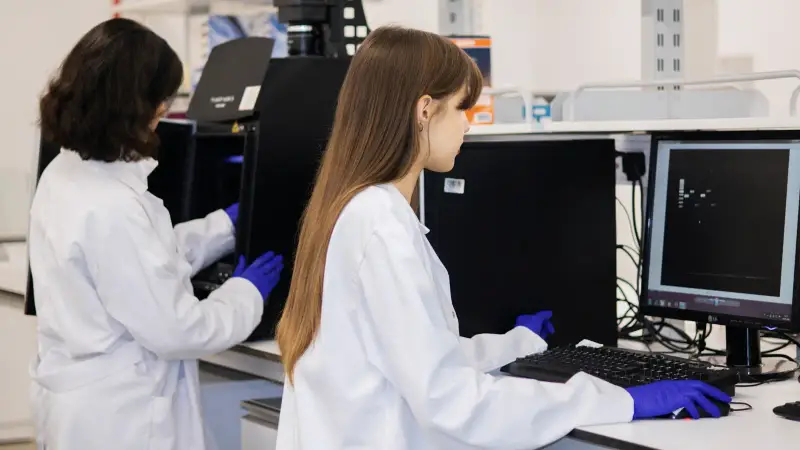
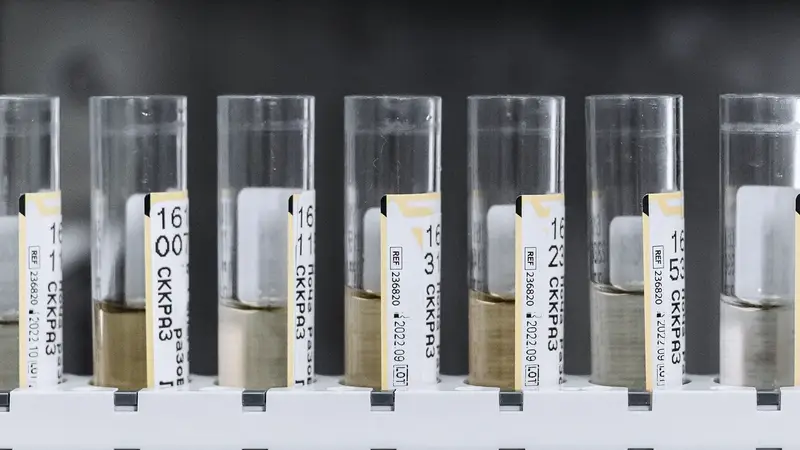
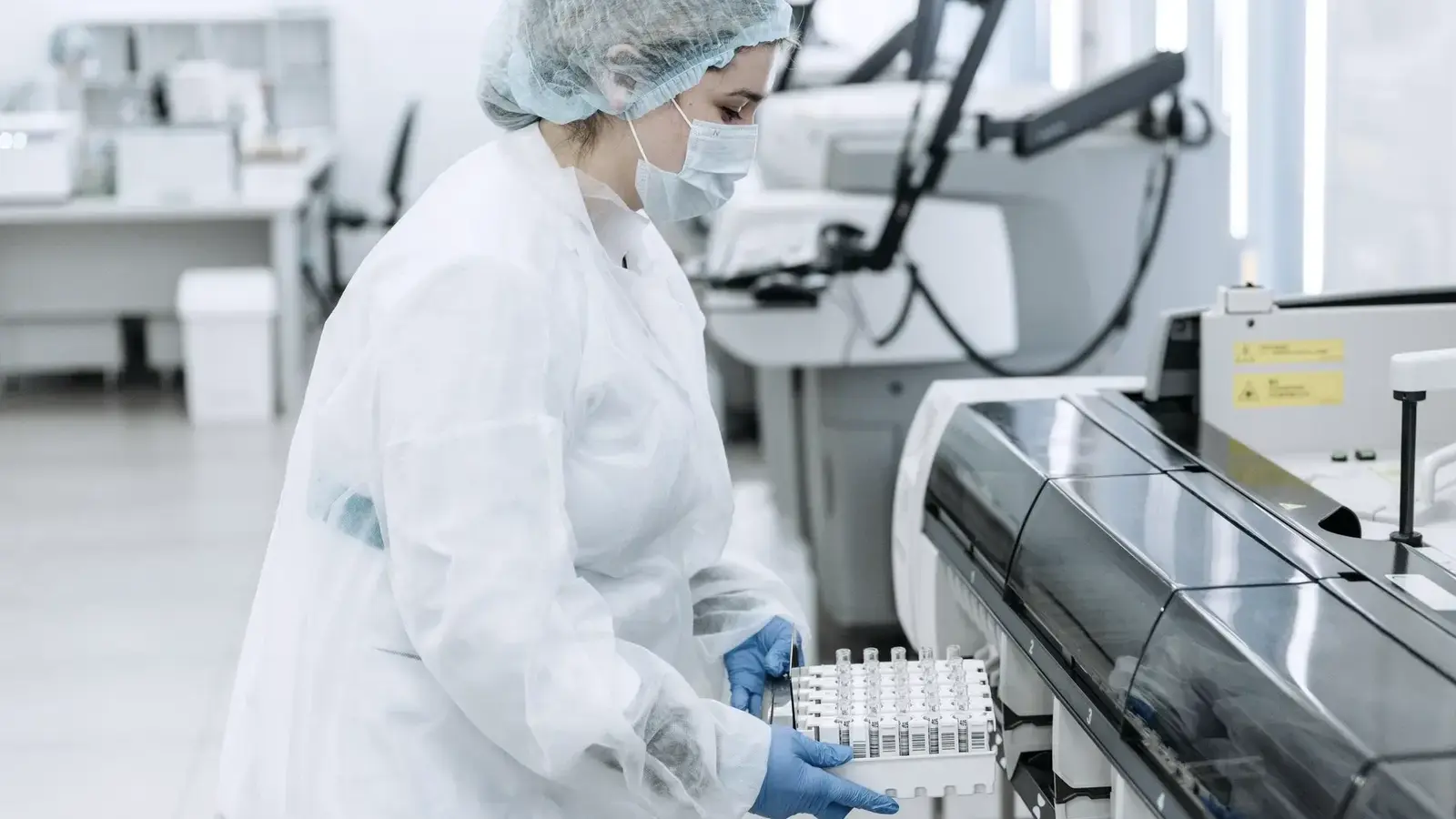
An independent laboratory has no stake in the result. It receives a sample, runs the agreed analysis and reports what it finds. For Adaptog materials, that usually means HPLC to measure purity and LC-MS to confirm identity. The laboratory's name, the method and the results all appear on the report.
The laboratories Adaptog works with
Adaptog works with independent analytical laboratories in the United Kingdom, Europe and the United States, including Janoshik Analytical, Marfleet Analytical, BioAnalysis Centre, MZ Biolabs and Colmaric Analyticals. You can see each laboratory, and the reports it has issued, in the Adaptog COA library.
Why publish the original reports?
A summary written by a supplier is not the same as the laboratory's own report. Adaptog publishes the original documents, so you can see exactly what the laboratory reported, rather than our description of it. It also means that a report can be checked against the batch code on your unit. See how to read an Adaptog Certificate of Analysis for a step-by-step guide.
Questions to ask any supplier about testing
Whether you buy from Adaptog or anyone else, these questions quickly show how seriously a supplier takes testing:
- Who tested it? Is the laboratory named, and is it independent of the supplier?
- Which batch was tested? Does the report name a batch code, and does it match the code on your unit?
- Which methods were used? Is purity measured by a recognised method such as HPLC, and is identity confirmed separately, for example by LC-MS?
- Can I see the original report? Or only a summary written by the supplier?
- When was it tested? Is the analysis date stated?
A supplier with nothing to hide can answer all five. For every Adaptog batch with a published report, the answers are in the COA library.
Independent testing alongside Adaptog's own laboratory
Adaptog also runs its own analytical work at Wickford, including identity and purity testing by HPLC and LC-MS. In-house testing helps us control quality during development and manufacture. Independent testing gives you a result that does not depend on taking our word for it. The two work together.
If you need analysis of a material you already hold, our HPLC and analytical testing service can be commissioned on its own.
What independent testing cannot do
A laboratory report describes the sample that was tested. To connect that report to the unit on your bench, you need traceability: a batch code on the unit that matches the report. Adaptog prints a lot or batch code on every unit for exactly that reason. Our guide to Adaptog batch traceability explains how it works from start to finish.
Why "independent" matters
In any testing arrangement, the most useful question is: who benefits from the result? A supplier testing its own product has a natural interest in a good result, even when it works carefully. An independent laboratory does not. It is paid to run the analysis, not to reach a particular answer, and its reputation depends on reporting what it finds.
Independence also makes results comparable. When reports for many products come from recognised outside laboratories, using stated methods, you can compare them with each other and with reports from other sources. A result produced behind closed doors cannot be compared in the same way.
How a sample reaches an independent laboratory
The process is simple, which is part of its value:
- Sampling. A sample is taken from the batch and labelled with the batch code.
- Submission. The sample is sent to the laboratory with the analysis requested, such as purity by HPLC or identity by LC-MS.
- Analysis. The laboratory runs its method and records the results.
- Reporting. The laboratory issues a report that names the sample, the method, the date and the result.
- Publication. Adaptog publishes the original report in the COA library, linked to the batch code.
Reading a report from an independent laboratory
Different laboratories lay their reports out differently, but the important information is the same. Look for the laboratory's name and contact details, the sample description and batch code, the method used, the analysis date and the results. If a report is missing any of these, ask the supplier why. For a step-by-step walkthrough, see how to read an Adaptog Certificate of Analysis.
A documented supply chain
Independent testing is one part of a wider commitment: materials made to a specification, tested by independent laboratories, supplied with reports that name the batch, and sold for research use only. You can read more about that commitment on the Adaptog assurance page.